If you've been shopping for a more efficient heating system in Maine, you've probably heard both terms thrown around — sometimes interchangeably, sometimes as if they're completely different things. The confusion is understandable. Here's how to think about it clearly.
The Short Answer
A mini-split IS a type of heat pump. The terms overlap. What most people mean when they say 'heat pump' in Maine is a ducted system — one that uses your existing ductwork to heat and cool the whole house. What most people mean by 'mini-split' is a ductless system — wall-mounted units in each room or zone, no ductwork required.
Ducted Heat Pumps (Central / Whole-Home)
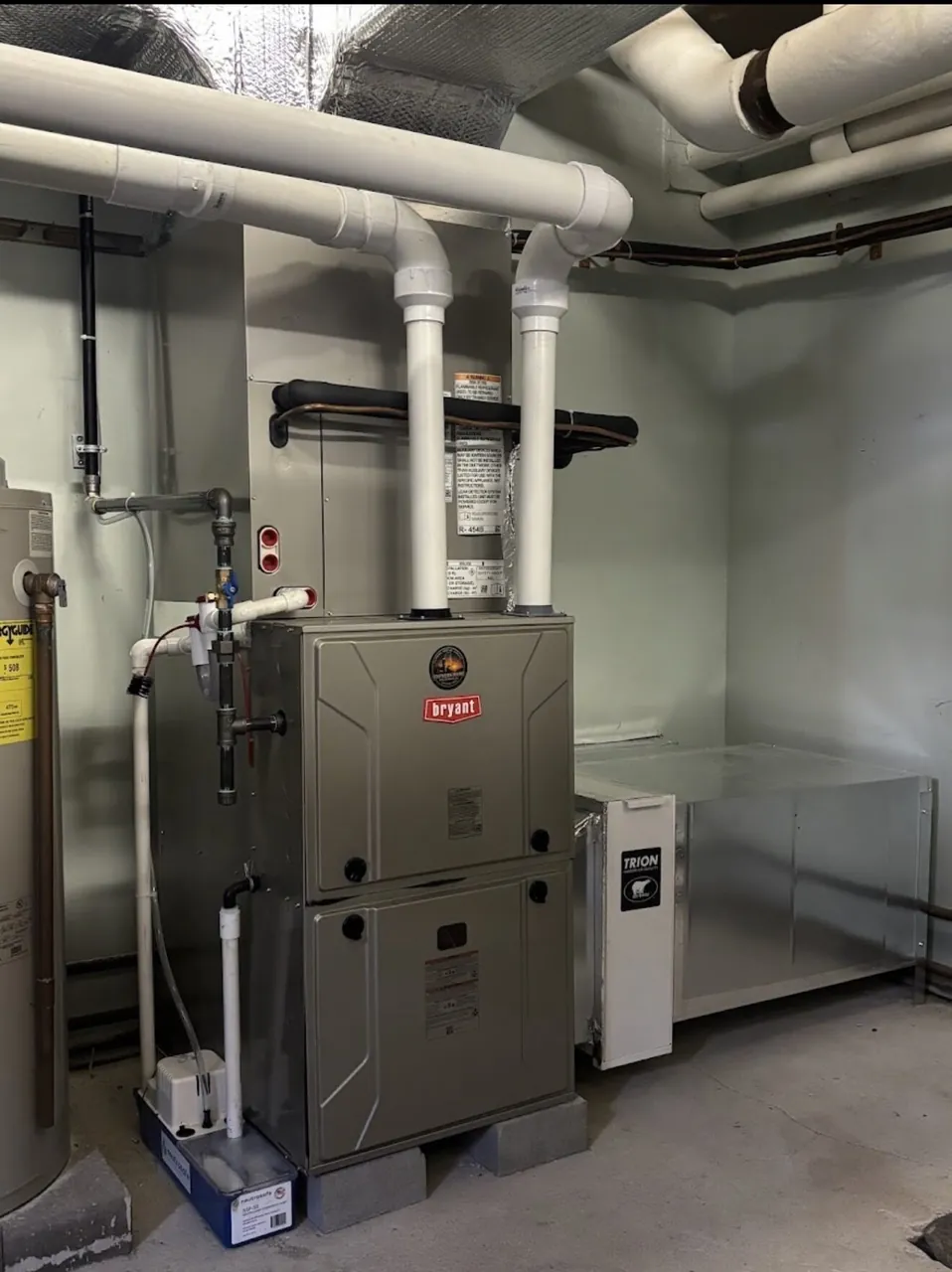
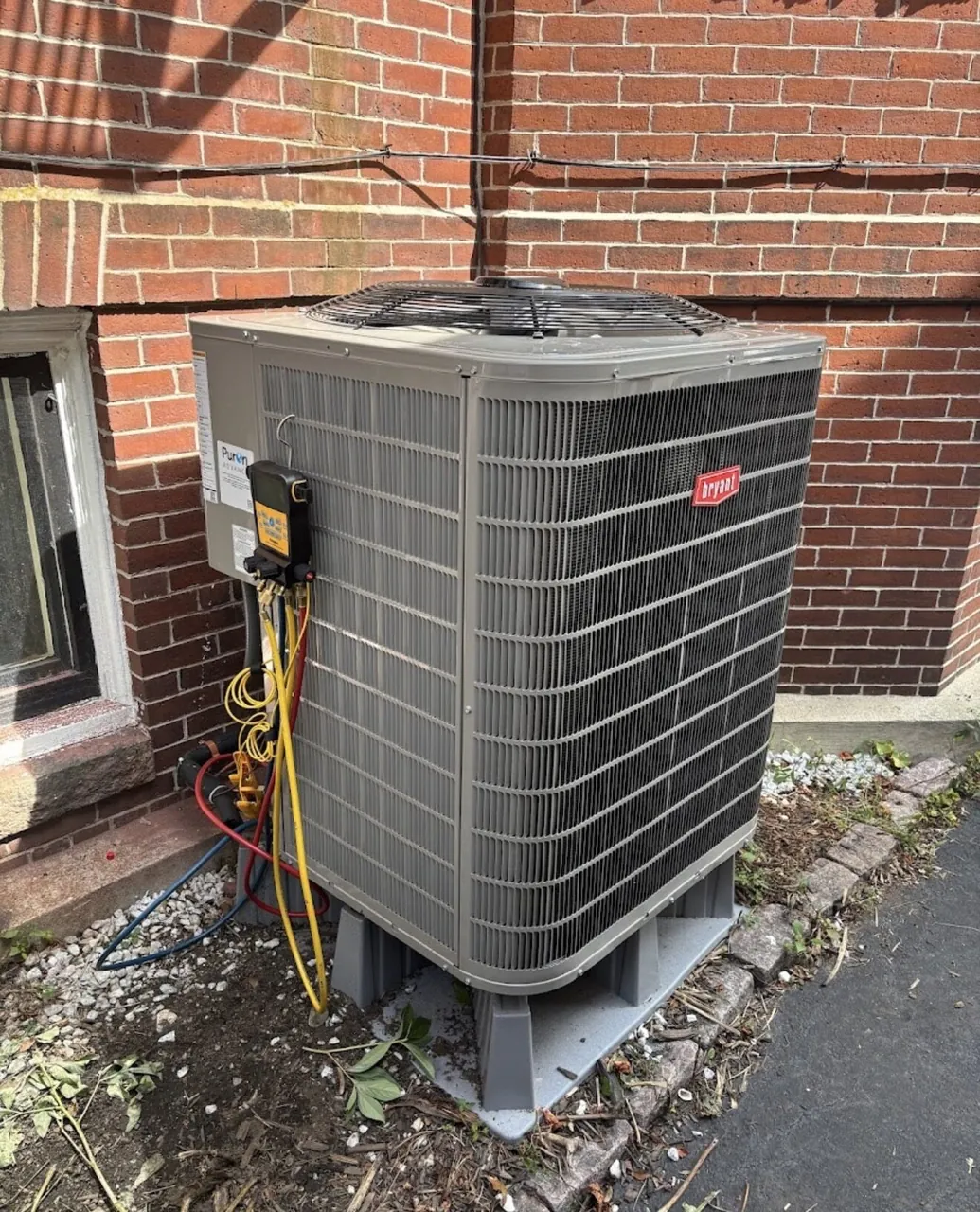
A ducted heat pump looks similar to a central air conditioning system. There's an outdoor unit and an indoor air handler that connects to your existing duct system. It heats in winter, cools in summer, and replaces both your furnace and AC in one.
- Best for: Homes with existing ductwork in good condition
- Heats and cools the whole home through existing vents
- Paired with a gas furnace = 'dual fuel' system (the furnace takes over when temps drop below -5°F to -15°F)
- Qualifies for Efficiency Maine rebates up to $10,000 on qualifying installs
- Installed cost typically $8,000–$18,000 depending on system size
Ductless Mini-Splits
Mini-splits have an outdoor unit connected by refrigerant lines to one or more wall-mounted indoor units (called air handlers or heads). Each head heats or cools a specific zone independently.
- Best for: Homes without ductwork, additions, garages, or supplemental heating
- Each room or zone is controlled independently
- No ductwork means no duct heat loss — very efficient
- Cold-climate models like Mitsubishi Hyper Heat work to -13°F or colder
- Installed cost typically $3,500–$6,500 per zone
- Also qualify for Efficiency Maine rebates ($1,500–$10,000 depending on system)
The Dual Fuel Option — What We're Installing a Lot of in Maine
Because Maine winters regularly push into the single digits, many homeowners choose a 'dual fuel' setup: a heat pump handles the heating load down to about 20–30°F (where it's most efficient), and a natural gas or propane furnace automatically takes over when temperatures drop below that. You get the efficiency savings of a heat pump for most of the winter, with the reliable backup of a furnace for the coldest stretches.
The Inflation Reduction Act (federal) and Efficiency Maine (state) can stack rebates on heat pump systems. Depending on your income and equipment, you may qualify for $4,000–$14,000+ in combined rebates. We handle all the paperwork.
Which One Is Right for Your Maine Home?
Here's a simple decision framework:
- You have ductwork in decent condition → ducted heat pump or dual fuel system
- No ductwork, or ductwork in poor condition → ductless mini-splits
- You want to heat specific rooms or an addition → mini-splits
- You want to replace your central AC and furnace in one shot → ducted heat pump or dual fuel
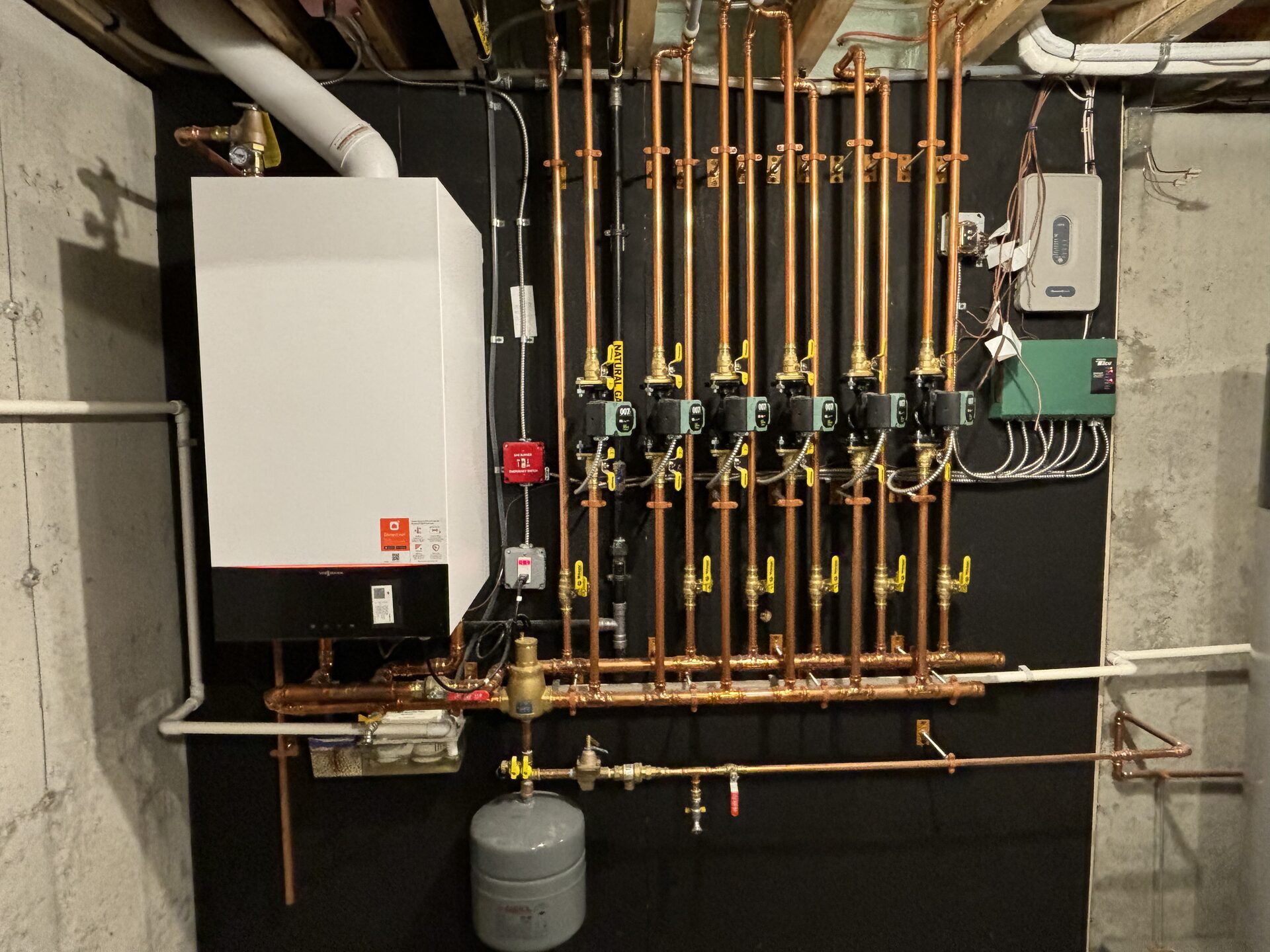
- You're in a very old home with steam or hot water baseboard → mini-splits are usually the better fit
A Note on Cold-Climate Performance
Ten years ago, heat pumps lost efficiency quickly below 30°F and many stopped working at 0°F. Modern cold-climate heat pumps from Mitsubishi, Bosch, Daikin, and Bryant are certified to work at -13°F to -22°F. For most of Maine's winters, a quality cold-climate heat pump handles the load without a backup furnace — though many customers still prefer the dual-fuel setup for peace of mind.
Not sure which system makes sense for your home? We do free in-home consultations and take care of all Efficiency Maine paperwork. Call (207) 560-7890 or text us.